Marstons Mills Cranberry Bog Restoration
In December 2019, BCWC, the EPA and TNC co-hosted the Marstons Mills Cranberry Bog Restoration Workshop. This workshop, attended by 47 scientists and regulators from the local, state, and national level, focused on identifying nature-based strategies to reduce the amount of nitrogen travelling through the cranberry bogs at the headwaters of the Marstons Mills River. […]
Progress With Alternative Septic Systems
Back in June, a new alternative septic system called the NitROE Waste Water Treatment System (NitROE WWTS) received a permit for “provisional approval” from the Massachusetts Department of Environmental Protection. This permit codifies a 40% improvement over all previously permitted Innovative/Alternative septic systems – and that is only the beginning! We believe this system will […]
Summer Water Sampling
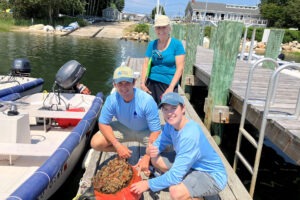
An important part of BCWC’s water quality monitoring is the collection of water samples from our ponds, streams and estuary. This summer, we are lucky to have David Carter on board to conduct weekly water sampling at several sites, including four ponds, one river and cranberry bogs. The water sampling at the ponds involves collecting […]
Mill Pond Perched Wetland Study
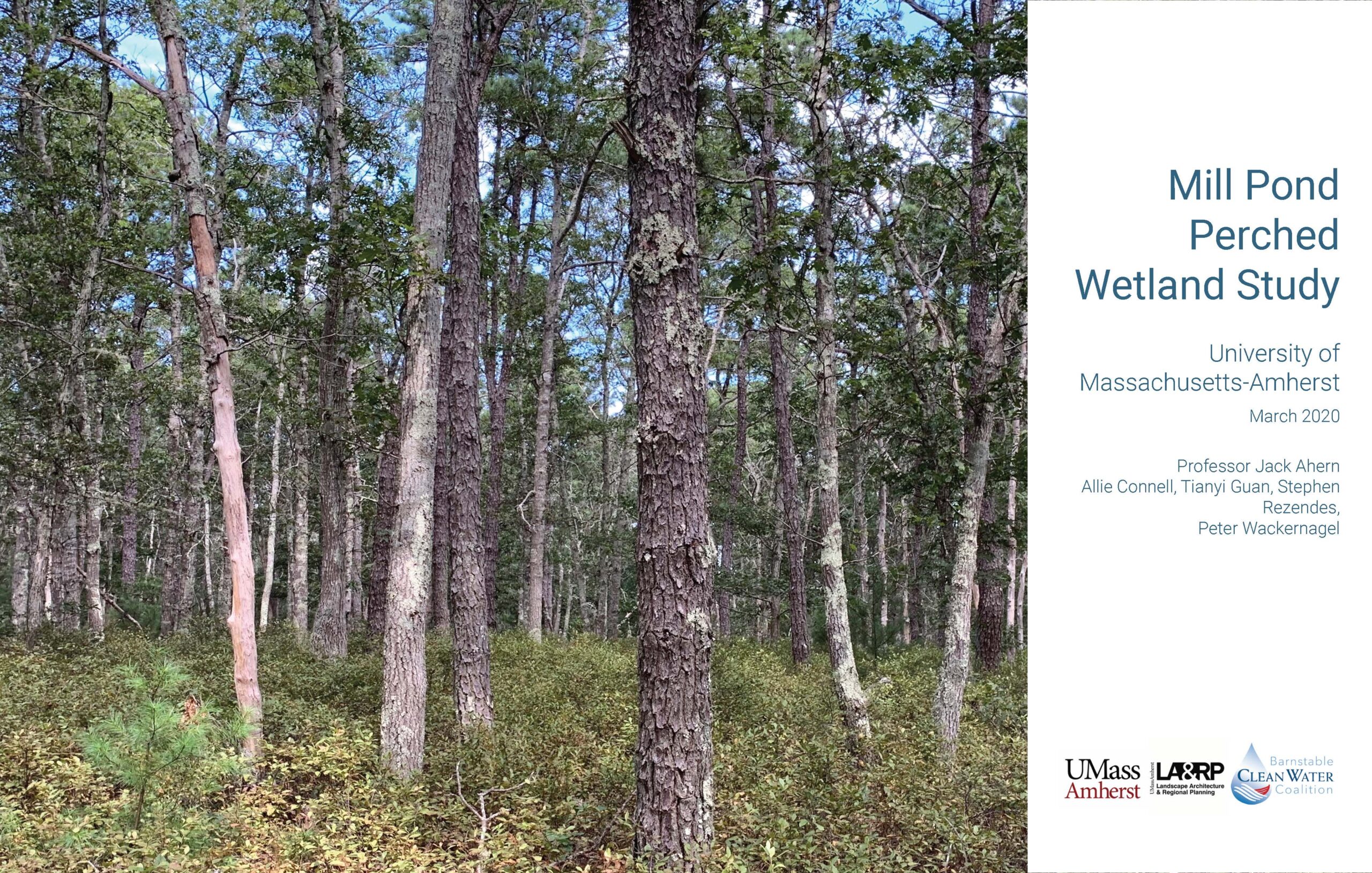
Check out Mill Pond Perched Wetland Study Like many popular coastal areas of the country, Cape Cod has water quality problems. Excess nitrogen leaching into waterways has led to eutrophication and algae blooms in many of the Cape’s surface waters, groundwater and estuaries. Some species that proliferate in nutrient-enriched waters, like bluegreen algae, are dangerous […]
A Note from the Helm
Three and a half years into our revised mission to restore the Cape’s waters and rescue our blue economy, we are ready to begin the healing process. Right now, that effort involves removing nutrients and contaminants from wastewater, which enters the groundwater predominantly through our septic systems. The principal problem we are facing is nitrogen […]
Pot Calling the Kettle….Pond?
Kettle Pond History and Ecology Folks all over the world travel to Cape Cod every year to enjoy its beautiful coastline. But the coastline is not the only place to find water on the Cape! In fact, there are 996 freshwater ponds, 182 of which are in the town of Barnstable. Kettle ponds were formed […]
Summer Newsletter Blog Posts
Summer Newsletter Blog Posts A Note from the Helm: https://bcleanwater.org/from-the-helm/ Summer Water Sampling: https://bcleanwater.org/summer-sampling/ Progress with Alternative Septic Systems: https://bcleanwater.org/progress-alternative-septic/ Marstons Mills Cranberry Bog Restoration: https://bcleanwater.org/mm-cranberry-bog/ Summer Staff on the Move: https://bcleanwater.org/summer-staff/ Why We Support BCWC: https://bcleanwater.org/why-support/ Volunteer Spotlight: https://bcleanwater.org/volunteer-spotlight/
Diamondback Terrapins: A Girl’s Best Turtle
We have all heard of turtles and tortoises, but have you heard of a terrapin? The Diamondback terrapin is a beautiful reptile with skin spotted like a Dalmatian and scutes, which are the bony plates on the shell, that are shaped like diamonds. What makes terrapins so unique is their preferred habitat: brackish water. Brackish […]
A Dune’s Duties
Sand dunes are significant players in the game of healthy coastal environments. While we have fencing around the dunes on Dead Neck Sampson Island for the nesting shorebirds, we also do it to protect the dunes that are protecting the surrounding ecosystem. Have you ever been on a boat in the bays and notice the […]
What’s Your Preference? Soft-shelled or Hard-shelled Clams?
If you don’t know, that’s normal. There is actually very little difference in taste when preparing a clam based meal. But besides both being bivalve mollusk, there are quite a few differences. Steamers, or Soft-shelled clams, have quite thin, white grey shells. With their oval-like body, they will burrow into the sandy mud of the […]